
Search myodfw.com
Showing 401 - 420 of 657 results
Features: These fish are dark blue or black with a light belly, a blotchy pattern on the sides, and no spots in the dorsal fin. The easiest way to distinguish a blue rockfish from a deacon rockfish is that the blues have jaws that meet together when closed. Habitat: Like all rockfish, these fish use rocky reefs as habitat. They are common down to 500 feet or more, but also come in to shallow areas. Blue rockfish will often suspend in large schools well off the bottom over rocky areas. Technique: They readily take both bait and lures. Blue rockfish…

Features: These fish are dark blue or black with a light belly. In fact, they are closely related to blue rockfish, which are similar in appearance. The easiest way to identify a deacon rockfish is by the lower jaw that extends forward creating a significant underbite. Habitat: Like all rockfish, these fish use rocky reefs as habitat, but commonly suspend well up off the bottom. They are common down to 300 feet or more. Technique: They readily take both bait and lures. Deacon rockfish have smaller mouths than the black rockfish and are more likely to take smaller jigs and…

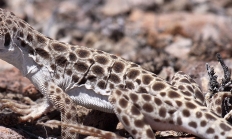
Lizards are more like ancient reptiles than either snakes or turtles. There are more than 2,500 species of lizards known in the world and they range from legless, snake-like varieties to the better known, four-legged type with five toes on each foot and scaly skin. Most lizards lay eggs but some give birth to live young. Most eat insects and small animals; some eat plants. Many lizards are very fast and most can swim. Some can even "swim" through sand, just below the surface. Lizards don't like to be caught and several species will take some pretty drastic steps to…
Features: Hungarian partridge have a gray-brown body with reddish brown barring on their wings, back and tail. Their beak and legs are gray. Habitat: In eastern Oregon, the best partridge populations exist in Columbia and Snake River basin counties. Although some birds may be found many miles from farming areas, the bunchgrass and sagebrush foothills adjacent to wheat and other farmlands provide the best habitat and the most stable populations. Technique: "Huns" are swift and challenging birds to hunt, usually bursting from the cover with a startling squeal and clatter of wings. They are typically hunted incidentally to pheasants or…

Inconspicuous and master of stealth, the Least bittern inhabits densely vegetated deep-water marshes, making observations rare and difficult; its call is often the only way to detect this secretive species. The smallest of herons, its long neck and legs make it appear larger. The crown, back and tail of male birds is greenish black; purple-chestnut on female. Neck, flanks, and underparts are brown and white and the wings buff. It is a rare spring and summer resident in larger freshwater marshes of eastern Oregon and a very rare spring through fall visitor in the Rogue and Willamette valleys. At Upper…

SALEM, Ore. – The deadline for applications has been extended to July 11, 2025, for the Landowner Representative. Application forms are available at http://www.dfw.state.or.us/lands/AH/get_involved.asp. The Landowner Representative position is looking for individuals with experience in forestry or agriculture with an interest and experience in hunting and wildlife conservation. You do…
NEWPORT, Ore. – New research from Oregon's south coast highlights the positive economic impact of science and tourism within Redfish Rocks Marine Reserve. The study quantifies the number of jobs supported and income generated by these activities, providing important data for the local Port Orford community, policymakers, conservation practitioners, and…

SALEM, Ore. – Razor clam harvesting is now open from the Washington/Oregon border to Cape Blanco, the Oregon Department of Agriculture and the Oregon Department of Fish and Wildlife announced today. Razor clamming had been closed from Cascade Head to the California border. But marine biotoxin levels have tested below…
Features: Black rockfish are dark gray to black on top, with a lighter belly, and black spots on their dorsal fins. They can grow to be 25-inches long. Take the "Black Rockfish or Not?" quiz Habitat: They are found over rocky reefs most typically shoreward of 180 ft. of depth, and are common along jetties and other structure in estuaries. Occasionally schools of black rockfish will come all the way to the surface. Technique: Rockfish feed on squid, octopus, krill, and other fish . They readily take both bait and lures. Common lures include rubber-tailed lead head jigs and shrimp…

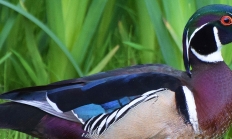
Features: Wood ducks can not be mistaken. The drake's iridescent chestnut, greens and white patterning are distinctive. The hen has a unique profile and white pattern around the eye. Habitat: Wood ducks are found in wooded swamps, on rivers and ponds. They feed on mostly seeds, but wood ducks will supplement their diet with aquatic plants, insects and crustaceans too. Acorns, hazelnuts, waste grains, and fallen seeds from trees and shrubs make up a good deal of their diet. As the name implies, they nest in tree cavities near water. Techniques: Search out a wood duck's food source and wait…

Find maps, boundary descriptions and hunts available in the new Fox Hunt Area. Download printable PDF map
NW BIG GAME HUNTING April 2, 2026 Currently open Controlled Spring Bear, Cougar ( check current harvest numbers), Coyote Announcements, resources Find more details for your hunt area in the 2026 Spring Bear Forecast Reminder to report your late season 2025 big game tags by April 15: Report your hunt Submit your applications for 2026 controlled hunts by May 15. Big game harvest statistics - You'll find links to population, harvest and point summary reports that can help you decide what hunts to apply for this season. Remember to submit your Furtaker Harvest Report by April 15. Please report elk…
Find maps, boundary descriptions and the percent public land for the Beulah Unit.

Find the weekly statistics for waterfowl and upland game birds at Ladd Marsh Wildlife Area.
SALEM, Ore. – The Oregon Department of Fish and Wildlife is accepting applications for the Chair position on the state Access & Habitat (A&H) Program Board. The deadline to apply is April 3, 2026. Application forms and additional information are available at: http://www.dfw.state.or.us/lands/AH/get_involved.asp The current Chair has completed the maximum…
Features: Bullheads present in Oregon are distinguished from channel catfish by their square or rounded tails and lack of spotting. They seldom exceed 18 inches in length and a weight of 2 pounds. Yellow bullheads are a more uniform yellow color with white or cream chin barbels and a rounded tail. Habitat: Bullheads are found on the bottom in the shallows of mud-bottomed ponds, lakes, reservoirs and backwaters of rivers. The yellow bullhead is found mainly in the Willamette basin. Technique: Bullheads can be caught any month of the year, but fishing is best from the first warm days of…
