
Search myodfw.com
Showing 401 - 420 of 672 results
PENDLETON, Ore. – ODFW will close recreational spring Chinook retention in the Umatilla River Basin from May 30 through June 30, 2026. The closure will be in effect from the mouth of the Umatilla River, near Highway 730 bridge, to the Confederated Tribes of the Umatilla Indian Reservation (CTUIR) boundary…

Construction of this facility began in 1924 and production started in 1925 by the state of Oregon. Various renovations have taken place with the most recent being the addition of 4 new fish rearing raceways and improvements to the pollution abatement system which was completed in 2016. Other renovations made throughout the hatchery have utilized the Restoration and Enhancement Program.. The purpose of this facility is to enhance spring Chinook, winter steelhead, summer steelhead, and coho populations for various coastal streams. The facility is used for adult collection, egg incubation and rearing of spring Chinook, fall Chinook, winter steelhead, summer…
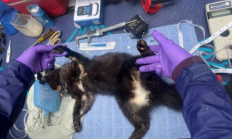
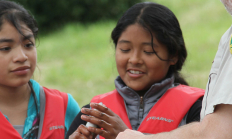
Teach, restore, study, host, build, communicate When you sign up to be an ODFW volunteer, you are helping to protect Oregon's fish and wildlife, manage ODFW properties and spark a passion in others to hunt, fish and appreciate the outdoors building and enhancing fish, wildlife and their habitats for current and future generations. Donating even one day a year is all it takes to be helpful. We can be as flexible as possible to find the right opportunity to fit your schedule. Join thousands of volunteers by sharing your time and talents with ODFW.
Big Creek Hatchery began operation in 1941. It was refurbished in 1957 under the Mitchell Act as part of the Columbia River Fisheries Development Program – a program to enhance declining fish runs in the Columbia River Basin. The facility is used for adult collection, egg incubation and rearing of winter steelhead, fall Chinook, and coho.
Gnat Creek Hatchery was constructed in 1960 as part of the Columbia River Fisheries Development Program (Mitchell Act)—a program to enhance declining fish runs in the Columbia River Basin. The facility is used for egg incubation and rearing of spring Chinook and winter steelhead. Most of the production is released off-station. The hatchery is an easy drive toward Oregon’s coast on Highway 30 and a visitor-friendly place for the entire family. With lots to do, located on beautiful Gnat Creek and tucked away amid the rainforest, this is a worthwhile stop on the way to the coast.
Located near the Elkhorn Mountain Range, Elkhorn Wildlife Area is best known for Rocky Mountain elk and mule deer herds that use the area during the winter. To keep deer and elk from feeding on agriculture lands when they come down from snow-covered higher elevations, ODFW operates 10 feeding sites on the area to feed 1,400 elk and 800 deer during the winter months.
Salem, Or. — The Oregon Department of Fish and Wildlife's Salmon and Trout Enhancement Program (STEP) Advisory Committee will meet in person Tuesday, Oct. 14 in the Evergreen conference room in Cartwright's Taprock Grill & Restaurant at 971 SE 6 th St. in Grants Pass. The meeting runs from 8…
SALEM, Ore.—The Oregon Fish and Wildlife Commission will meet Thursday and Friday, Dec. 11-12 to set 2026 groundfish regulations and hear an informational briefing on the barbless hook requirement for Columbia River recreational fisheries. Both a Dec. 11 workshop and Dec. 12 meeting will be in a hybrid format, allowing for…
KLAMATH FALLS, Ore.—A video camera captured a Chinook salmon ascending the fish ladder at Keno Dam on the upper Klamath River this week (Sept. 24), the first picture of a salmon ascending the upper bays of the ladder since four hydroelectric dams were removed on the Klamath River last year…

SALEM, Ore.—ODFW is seeking to fill three vacant positions on the Salmon and Trout Advisory Committee (STAC). One position will represent the Mid-Coast District, the second will represent the Upper Rogue District, and the third will represent the Umpqua District. Interested individuals are encouraged to apply by 5:00 p.m. on…
The original portion of Fall River Hatchery construction was completed in 1929. Many improvements have been made since original construction. In 1952 the ten raceways were completed. The hatchery produces legal and trophy sized rainbow trout, and provides rainbow, brook and cutthroat trout fingerlings for air stocking programs throughout the state. The facility traps and spawns brown trout at a remote site.
Coquille Valley Wildlife Area was initially established in 2013 with two equally important primary objectives; (1) To protect, enhance, and restore fish and wildlife habitats located on the WA, and (2) to provide a wide variety of wildlife-oriented recreational and educational opportunities to the public.
Klaskanine Hatchery was first operated in 1911 by the state of Oregon. In 1959 the hatchery was enlarged and renovated under the Columbia River Fisheries Development Program (Mitchell Act)—a program to enhance declining fish runs in the Columbia River Basin. The hatchery is now closely tied to the Select Area Fisheries Enhancement (SAFE) program and works closely with Clatsop County Fisheries (CCF). The facility is currently used primarily for rearing coho for SAFE commercial fisheries, as well as for adult collection and spawning of fall Chinook and as a rearing facility for fall Chinook and winter steelhead.
NEWPORT, Ore. – To reduce the risk of humpback whale entanglements in commercial Dungeness crab gear, the Oregon Department of Fish and Wildlife is moving the May 1 "late-season" regulations to April 1 this year. These regulations require commercial crab fishermen to fish in waters less than 40 fathoms, use…