Search myodfw.com
Showing 821 - 840 of 1416 results
SALEM, Ore.— Visitors to Sauvie Island's Walton, Collins, and North Unit beaches will need a new Sauvie Island Beaches Parking Permit on weekends and holidays from June 15 through Labor Day. This new permit applies only to these three beach areas during peak summer dates. It replaces the need for…
Crabbing and Clamming June 25, 2026 Regulation updates as of April 23, 2026 These are in-season regulation changes adopted on a temporary or emergency basis. Please see e-regulations for permanent regulations. Before clamming or crabbing, call ODA's shellfish safety information hotline at (800) 448-2474 or visit the ODA shellfish safety closures web page at: http://ODA.direct/ShellfishClosures Mussels: OPEN coastwide. Razor clams: OPEN from the WA border to Cape Blanco. CLOSED from Cape Blanco to the CA border. Bay clams: OPEN coastwide. Crabs: OPEN coastwide. Sport crab harvest: Status map Sport seasons and licensing rules: Visit the Oregon Department of Fish and…


Bandon Hatchery was constructed in 1925. Various renovations have taken place since original construction and more are planned for the future. The facility is used for adult collection, egg incubation and rearing of both natural and hatchery fall Chinook, winter steelhead, and trophy-sized rainbow trout.

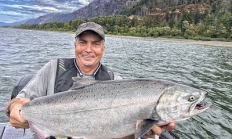
Willamette Trout Hatchery and the adjacent Oakridge Salmon Hatchery were combined in 1983 and operate today as Willamette Hatchery. The trout hatchery was constructed in 1922 and the salmon hatchery in 1911. The U.S. Army Corps of Engineers (USACE) rebuilt the salmon hatchery in 1952 to mitigate for fishery losses caused by Hills Creek, Lookout Point and the Dexter hydroelectric/flood control projects. The trout side was rebuilt between 1950 and ‘56. Today, Willamette Hatchery is used for adult holding/spawning, egg incubation and rearing of spring chinook and rainbow trout. In addition, both summer and winter steelhead are reared at this…


Upon taking an adult salmon, steelhead, legal-size sturgeon or Pacific halibut, the angler must immediately enter the codes for the species caught, ocean port or stream, and the month and day of catch. The information from these tags helps ODFW manage the fisheries and estimate total harvest. Currently nearly 40 percent of anglers use e-tagging. Want to switch from paper to electronic? Login to your account and look under your profile to switch.