Search myodfw.com
Showing 121 - 140 of 509 results

NW WILDLIFE VIEWING July 30, 2026 Tillamook County Birds At this time of year, herons and egrets can be seen hunting amphibians and small mammals in local farm fields. Bald eagle pairs can be viewed near estuaries and rivers. Clatsop County Birds Coastal storm-watchers may find interesting pelagic species pushed closer to shore by the rough weather. Some species which may be viewed during and just after storms include skuas, jaegers, petrels, storm petrels, shearwaters, fulmars and even the occasional albatross. These species are best viewed from headlands (also the best spots for storm-watching) with good optics on clear days just…

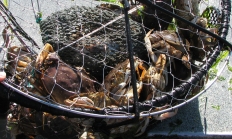
The northwest zone provides many opportunities for crabbing and clamming. This zone encompasses Clatsop beaches, Nehalem Bay, Tillamook Bay, Netarts Bay, Nestucca Bay, Siletz Bay, Yaquina Bay, Alsea Bay and Siuslaw River.
Shellfish regulations only apply to Columbia River downstream of Tongue Point/Rocky Point line at the mouth of the Columbia River.
SALEM, Ore.--Oregon's Fish Passage Task Force will meet Wednesday, March 11, from 8:00 a.m. to noon online. The meeting agenda includes numerous ODFW Fish Passage Program updates, Task Force business items, and a round table discussion by Fish Passage Task Force Members and ODFW staff on fish passage guidance documents…
The mottled petrel breeds in New Zealand and nearby islands, and ranges throughout much of the Pacific Ocean, mostly far from land. It is a common May to October visitant in the northern and eastern North Pacific, with non-breeding birds occurring during the winter months. Photo by Dominique, Flickr

This largest of the commonly encountered loons is perfectly built for underwater prey pursuit. Ungainly on land, this may be the price it pays for being a great diver. Large and blocky-headed, with a straight, robust bill, the common loon is separated from the yellow-billed by its straight bill and winter face pattern, and from smaller loons by its more angular head and often-retracted robust neck. Black head, white "necklace," incomplete black-and-white neckband, and white-checkered black back define breeding adults. Dark gray upperparts of winter adults shade to white underparts. Take-off is impossible by land and labored on water, but…


SALEM, Ore. – Organizations and partners interested in funding conservation, outdoor access, and recreation projects in Oregon are encouraged to apply soon, as the Oregon Conservation and Recreation Fund (OCRF) grant application window is open now but closes Monday, Feb. 9, 2026. The OCRF Advisory Committee began accepting applications on…
Find maps, boundary descriptions and hunts available in the new South Wallowa Hunt Area SW-02. Download printable PDF map
Look here to find out how waterfowl counts this week compare to years past.

The Landowner Preference Program (LOP) was established to acknowledge the contribution of private lands to support wildlife and provide a form of compensation to landowners for resources used by wildlife. Tags are available to landowners, family members, and others designated by the landowner based on the acreage owned. Pronghorn hunts are only available to landowners and family members. Recipients of LOP tags may only hunt on the property for which they are registered. step-by-step instructions Create Landowner Account