
Search myodfw.com
Showing 161 - 180 of 220 results
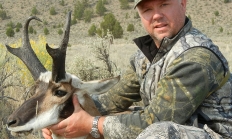
The Columbia Basin Wildlife Areas are a composition of four Oregon Dept of Fish & Wildlife managed wildlife areas located along the Columbia River, in the Columbia Basin. The four wildlife areas (Power City, Irrigon, Coyote Springs and Willow Creek) are within the Columbia Plateau ecoregion. Management agreements for these areas were initially established between 1971 and 1977 between the department and Federal agencies which owns the lands. The Columbia Basin Wildlife Areas, which total approximately 1,885 acres, provide an important landbase for the conservation and recreation of fish and wildlife within a highly privatized and altered landscape and play…

The northwest zone provides many opportunities for crabbing and clamming. This zone encompasses Clatsop beaches, Nehalem Bay, Tillamook Bay, Netarts Bay, Nestucca Bay, Siletz Bay, Yaquina Bay, Alsea Bay and Siuslaw River.


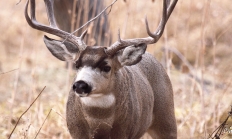
Jewell Meadows Wildlife Area is located in the Oregon Coast Range Mountains, in the northwestern part of the state. The wildlife area was established in 1969, with an initial purchase of 183 acres. It now encompasses 1,114 acres. The wildlife area’s purpose is to protect and enhance habitat to benefit native wildlife species, to reduce wildlife damage to adjacent properties, and to provide the public with an opportunity to observe wildlife in a natural setting.
Lower Deschutes Wildlife Area was established in 1983, with the initial donation of land by the Oregon Wildlife Foundation (OWF) of 2,758 acres. In 1986 OWHF donated an additional 5,158 acres of land to the department. The Lower Deschutes Wildlife Area was initially established to provide permanent public angler access. However, especially with the 1986 acquisition, the wildlife area has grown to provide enhanced wildlife and fish habitat (i.e. through removal of livestock, riparian vegetation improvements, etc.) and more wildlife-oriented recreational activities such as hunting, boating, hiking and biking. In 2015, ODFW partnered with the Trust for Public Land to…
Phillip W. Schneider Wildlife Area provides winter range for mule deer populations and year-round habitat for a variety of wildlife including mammals, birds, reptiles and amphibians. Elk, deer, and bighorn sheep viewing is often good during winter and early spring. Bird watching is excellent all year. Native habitats include sagebrush shrubland, riparian, ponderosa pine forest, western juniper woodland and mixed conifer which support a diversity of fish and wildlife. The riparian areas along the mainstem John Day River, South Fork John Day River and Murderers Creek provide excellent habitat for many birds. Upland areas provide important habitat for passerines and…
Fire Closure: As of July 29, 2026, the northern portion of the wildlife area is closed. More information here: https://myodfw.com/news/odfw-closes-northern-portion-white-river-wildli… White River Wildlife Area was established in 1953. Located along the east slope of the Cascade Mountains in the north central part of Oregon, the wildlife area encompasses 29,480 acres. An additional 1,280 acres of land owned by the Bureau of Land Management (BLM) is managed by the ODFW bringing the total acres managed by the department to 30,760. The primary purpose of White River Wildlife Area is to provide winter range habitat for black-tailed deer and Rocky Mountain elk…


While recreationally harvesting green crab has been allowed for decades, the Oregon Fish and Wildlife Commission recently increased the daily bag limit to 35 crab. This gives recreational shellfishers an opportunity to help native shellfish by taking more of these invaders home. European green crab are an invasive species in Oregon. While recreational harvest is allowed (35 per day), harvesters must correctly identify these crabs (see below) as they often are mistaken for native species. Green crab: Compete with native crabs for food. Larger green crab may eat smaller native shellfish. May disturb eelgrass beds important to native fishes and…
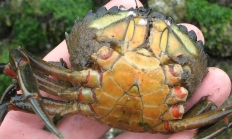
The Columbia Basin Wildlife Areas are a composition of four Oregon Department of Fish and Wildlife (department) managed wildlife areas located along the Columbia River, in the Columbia Basin. The four wildlife areas (Power City, Irrigon, Coyote Springs and Willow Creek) are within the Columbia Plateau ecoregion. Management agreements for these areas were initially established between 1971 and 1977 between the department and Federal agencies which own the lands. The Columbia Basin Wildlife Areas, which total approximately 1,885 acres, provide an important landbase for the conservation and recreation of fish and wildlife within a highly privatized and altered landscape and…
MARINE WILDLIFE VIEWING July 30, 2026 The Oregon coast is a great place to come and view a variety of wildlife. Enjoy the great diversity of life: from giant whales and barking sea lions to majestic bald eagles and diving pelicans, to showy Harlequin ducks and flocking shorebirds, to the tiny anemones and crabs inhabiting tidepools. There is always something new to discover. Visit our wildlife viewing map for locations to visit and view wildlife along the Oregon coast. Maximize your viewing of coastal creatures by bringing binoculars for close-up views. Beach Safety: Check conditions here Whales, orcas and porpoises Whales migrate along the Oregon coast to their…
Oregon’s beaches, bays and ocean waters have more kinds of fishing than anywhere in the state. From chasing surfperch in the… well, surf, to hooking cabezon from a rocky jetty, to going deep after rockfish and halibut, to the line-screaming runs of an albacore tuna, this zone offers a species and fishing technique for every angler. Subscribe for updates Starting Jan. 1, 2026, an Ocean Endorsement is needed for most recreational anglers fishing in the ocean. Check the Ocean Endorsement page for more information. Ocean Endorsement
The southwest zone includes Umpqua River, Coos Bay, Coquille River, Port Orford, Rogue River and Chetco River - all of which offer shellfishing.