Search myodfw.com
Showing 321 - 340 of 869 results
CLACKAMAS, Ore.—Fishery managers from Oregon and Washington took joint state action today to add another three days of recreational spring Chinook salmon fishing in the mainstem Columbia River downstream of Bonneville Dam. This fishery had closed on Wednesday, April 8 per the preseason schedule adopted in February. With the additional…
NEWPORT, Ore. – Oregon Department of Fish and Wildlife staff are hosting in person meetings Oct. 6, 7, and 8 to discuss the 2026 recreational bottomfish and Pacific halibut seasons with anglers. The Oct. 8 meeting in Newport also offers a virtual option. Meeting information: Oct. 6, Brookings: 5:30-7:30 p.m…

CLACKAMAS, Ore.—Fishery managers from Oregon and Washington expanded recreational spring Chinook days and retention on the mainstem Columbia River during a joint state hearing yesterday. There is remaining harvest allocation available for increased spring Chinook opportunity while staying within allowed ESA-impact rates and other management limits. The following changes were…
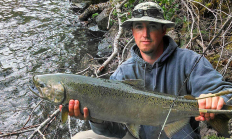
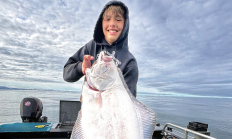
NEWPORT, Ore – Pacific halibut angling opens Aug. 17, Sundays through Friday through Sept. 30 or until quota is reached in the Columbia River subarea (Leadbetter Pt., WA to Cape Falcon, OR) all-depth fishery. The daily bag limit is one Pacific halibut. The Columbia River subarea received a 5,000-pound allocation…

ROSEBURG, Ore. – The Umpqua Fish District is hosting an informational update on local fisheries on June 11, 6-8 p.m. at the ODFW conference room, 4192 N. Umpqua Highway, Roseburg with a virtual option. Space is limited so those who want to attend in person are encouraged to reserve a…
CLACKAMAS, Ore- After a "lights out" early season for the Buoy 10 fishery at the mouth of the Columbia River, fishery managers from Oregon and Washington are adjusting regulations to manage Chinook harvest in this fishery and to ensure fisheries further upriver can continue as originally planned. Effective Aug. 25…
NEWPORT, Ore – The Pacific Fisheries Management Council (PFMC) has finalized the 2026 ocean salmon seasons including ocean waters off Oregon. Recommended salmon seasons are not official until final approval by the U.S. Secretary of Commerce (expected by Saturday, May 16), and after adoption by the Oregon Fish and Wildlife…

Each year, ODFW stocks millions of trout in dozens of reservoirs, lakes and ponds throughout the state. You can use the search and filter functions to search the stocking schedule for specific locations and dates. The schedule is subject to change without notice; see individual waterbody listings in the Recreation Report for updates.
NEWPORT, Ore. – The Oregon Department of Fish and Wildlife is holding two public meetings to discuss the commercial black and blue rockfish and nearshore fisheries. The meetings will be held in person with virtual or phone-in options Sept. 9 in Port Orford and Sept. 11 in Tillamook. ODFW commercial…
CORVALLIS, Ore. — The Oregon Hatchery Research Center Board will meet in Corvallis on Tuesday, June 17 from 10:00 a.m. to 2:00 p.m. at the Oregon State University, Nash Hall Room 032, 2820 SW Campus Way. In addition to the regularly scheduled items, the agenda includes OHRC research updates, an…

CORVALLIS, Ore . — The Oregon Hatchery Research Center Board will meet virtually via Zoom on Wednesday, Sept. 3 from 9:00 a.m. to 11:00 a.m. In addition to the regularly scheduled items, the agenda includes a review of a proposal for use of the remaining OHRC Research Fund. The meeting…