
Search myodfw.com
Showing 321 - 340 of 705 results

The Columbia Basin Wildlife Areas are a composition of four Oregon Department of Fish and Wildlife (department) managed wildlife areas located along the Columbia River, in the Columbia Basin. The four wildlife areas (Power City, Irrigon, Coyote Springs and Willow Creek) are within the Columbia Plateau ecoregion. Management agreements for these areas were initially established between 1971 and 1977 between the department and Federal agencies which own the lands. The Columbia Basin Wildlife Areas, which total approximately 1,885 acres, provide an important landbase for the conservation and recreation of fish and wildlife within a highly privatized and altered landscape and…
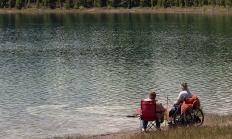
ROSEBURG, Ore. – ODFW is hosting turkey hunting workshops around the state in April for both youth and adults. If you're a new hunter, or new to turkey hunting, consider joining us for a day of learning more about turkey hunting. Youth workshops April 4 workshops at Denman Wildlife Area…
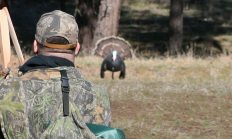
CLACKAMAS, Ore- After a "lights out" early season for the Buoy 10 fishery at the mouth of the Columbia River, fishery managers from Oregon and Washington are adjusting regulations to manage Chinook harvest in this fishery and to ensure fisheries further upriver can continue as originally planned. Effective Aug. 25…
Study ahead: Oregon Furbearer Trapping and Hunting Regulations
2026-27 License and cards available now
Online Learning

ROSEBURG, Ore. – Learn how to hunt waterfowl or sharpen your skills in one of three waterfowl hunting workshops in Southern Oregon offered by the Oregon Department of Fish and Wildlife. ODFW hunter education specialists are teaching the workshops: Oct. 3: Klamath Falls, 6 p.m. – 9 p.m., Klamath Wildlife…

Following droughts in the 1930s that affected most of North America, major conservation efforts, both private and governmental, were enacted to reverse trends of degrading and disappearing wetlands. During this time period there was a major creation and expansion of Federal refuges and State wildlife areas. As the concept of waterfowl flyway management was endorsed and developed, wildlife areas were acquired and managed as part of a larger plan focused on migratory waterfowl needs. Klamath Wildlife Area was one of several wetland-focused wildlife areas established in Oregon. KWA was established in 1958, with primary objectives of protecting and improving waterfowl…
Get ahead of the game! Register for a full, in person Hunter Safety Conventional Course or complete an Online Course and sign up for a Field Day. ODFW connects people to Oregon's great outdoors by offering a multitude of workshops and events throughout the year. Education programs cover required Hunter Safety certification courses, ability level and age specific workshops, and events for the entire family. Let us help you prepare for your next step outdoors. Receive Workshops & Events Updates by E-mail

This is your one-stop platform for learning how to hunt and fish in Oregon. Look at the learning opportunities to participate in one or more of the many statewide workshops offered to adults. Enjoy the great outdoors even more by building your confidence and expanding your knowledge! Youth required hunter certification: hunter safety conventional courses and field days Choose between a full conventional course or complete one of the ODFW approved online education courses plus an in-person field day. Sign up for a location, date and time that works best with your schedule. Hunter safety education events are offered year-round…
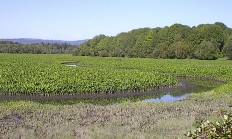
This vast area covers the Columbia Basin through the Blue, Wallowa and Elkhorn mountains to the Snake River.
This area extends the eastern flanks of the Cascade Range through the Ochoco Mountains to the beginning of the Great Basin, making it a great place to explore.
From the eastern flanks of Crater Lake National Park through ponderosa pine forests to the nationally-renowned Klamath National Wildlife Refuge, there is something for every bird hunter in south central Oregon.
Hunting opportunities abound in the densely forested southwest corner of Oregon. From the beautiful, ragged coastline through the Siskiyou Mountains to Crater Lake National Park, there is something for every game bird hunter.
This massive area is a cornucopia of geographic features and prime upland and waterfowl hunting opportunities. It is a gem of Oregon.
Features: Slightly larger than its cousin, the rock pigeon, band-tailed pigeons have a grey body. As its name suggests, a wide pale band stretches along the tip of tail feathers. Up close a distinctive white, crescent-shaped mark across its neck is noticable. Habitats: Found on the west side of the state, the band-tailed pigeon frequents semi-open coniferous forests. It forages on wild seeds and fruits in tree tops. In search of food, it travels in flocks from tree top to tree top. Techniques: Find a food source, such as elderberry or cascara, and location with open shooting lanes. Then wait…
