Search myodfw.com
Showing 481 - 500 of 1416 results
SALEM, Ore. – A Chinese mitten crab, a prohibited species in Oregon, was found in the Willamette River near the Sellwood Bridge and reported to ODFW on Nov. 17. The crab was spotted in shallow water and captured by hand. It was alive and not released back into the river…
Jewell Meadows Wildlife Area is located in the Oregon Coast Range Mountains, in the northwestern part of the state. The wildlife area was established in 1969, with an initial purchase of 183 acres. It now encompasses 1,114 acres. The wildlife area’s purpose is to protect and enhance habitat to benefit native wildlife species, to reduce wildlife damage to adjacent properties, and to provide the public with an opportunity to observe wildlife in a natural setting.
SALEM, Ore. — Oregon's Fish and Wildlife Commission meets June 25-26 in Redmond. View the agenda online. On Thursday, Commissioners will visit projects showcasing the landscape scale work underway with partners to protect and restore sagebrush habitat for mule deer in central Oregon. To join the tour, meet at Comfort…
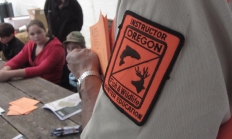
Oregon requires all hunters under the age of 18 to complete a hunter safety education course before hunting in the state. Upon completing the course (and a Field Day for youth), participants will receive a Hunter Safety certification number and card. Adults are also encouraged to take the online course, as it may be required for out of state hunts. Note: Youth under the age of 9 may struggle with the course material and may not have the physical strength needed to safely handle a firearm during a Field Day, particularly during muzzle control, loading, and unloading drills.
Offered Year Round
Statewide
SALEM, Ore. – The deadline for applications has been extended to July 11, 2025, for the Landowner Representative. Application forms are available at http://www.dfw.state.or.us/lands/AH/get_involved.asp. The Landowner Representative position is looking for individuals with experience in forestry or agriculture with an interest and experience in hunting and wildlife conservation. You do…

Sauvie Island Wildlife Area protects vital waterfowl habitat and provides a public hunting area while supporting a rich diversity of wildlife, including hundreds of bird, mammal, reptile, and plant species.
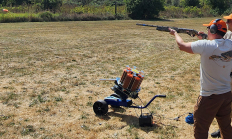
Luck may determine when a deer crosses your path, but skill determines whether you're ready for that moment. Aim for a more successful hunt this season by attending one of the many skills events! ODFW connects people to Oregon's great outdoors by offering a multitude of workshops and events throughout the year. Education programs cover required Hunter Safety certification courses, ability level and age specific workshops, and events for the entire family. Let us help you prepare for your next step outdoors. Receive Workshops & Events Updates by E-mail
Oregon requires all hunters under the age of 18 to complete a hunter safety education course before hunting in the state. Upon course completion, students will receive a temporary Hunter Safety certification card to be carried while hunting in Oregon until a permanent card is received in the mail to replace it. Hunters over 18 are encouraged to take the online education course, as it may be required for out of state hunts. Note: Youth under the age of 9 may struggle with the course material and may not have the physical strength needed to safely handle a firearm during…
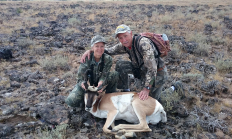
Our Mission The Oregon Department of Fish and Wildlife (ODFW) Hunter Recruitment Program is dedicated to strengthening and growing Oregon's hunting and shooting sports community. We provide hands-on skills training, promote a culture of safety, ethics, and conservation, and foster a positive public perception of hunting and shooting sports. Our goal is to build confidence, knowledge, and skills for both new and seasoned hunters, supporting a lasting connection to Oregon's rich outdoor traditions. Workshops are offered statewide throughout the year. View and register for an upcoming event: Classes and W or kshops.

CLACKAMAS, Ore. – Sturgeon retention will not open in Bonneville and The Dalles pools on the traditional date of Jan 1. following a joint state hearing held by Oregon and Washington fishery managers today. However, the retention fishery in the John Day pool, where harvest rates have been stable and…

Coquille Valley Wildlife Area was initially established in 2013 with two equally important primary objectives; (1) To protect, enhance, and restore fish and wildlife habitats located on the WA, and (2) to provide a wide variety of wildlife-oriented recreational and educational opportunities to the public.
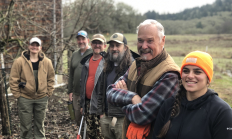
When you sign up to be an ODFW volunteer, you're helping to protect Oregon's fish and wildlife, manage ODFW properties, and share your hunting and fishing experiences with others while creating a stronger appreciation for the outdoors. Already volunteering with ODFW
Year round opportunities
Various programs statewide