Search myodfw.com
Showing 741 - 760 of 849 results
The Columbia Basin Wildlife Areas are a composition of four Oregon Department of Fish and Wildlife (department) managed wildlife areas located along the Columbia River, in the Columbia Basin. The four wildlife areas (Power City, Irrigon, Coyote Springs and Willow Creek) are within the Columbia Plateau ecoregion. Management agreements for these areas were initially established between 1971 and 1977 between the department and Federal agencies which own the lands. The Columbia Basin Wildlife Areas, which total approximately 1,885 acres, provide an important landbase for the conservation and recreation of fish and wildlife within a highly privatized and altered landscape and…
Round Butte Hatchery was constructed in 1972 to mitigate for the fishery losses caused by Pelton/Round Butte (PRB) Hydroelectric Complex. Round Butte and its satellite, Pelton Ladder, are used for adult collection, egg incubation and rearing of spring Chinook, summer steelhead, and sockeye salmon.
The southwest zone includes Umpqua River, Coos Bay, Coquille River, Port Orford, Rogue River and Chetco River - all of which offer shellfishing.

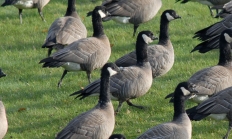

NE BIG GAME HUNTING September 17, 2026 Currently open Controlled archery deer and elk, bear, cougar ( check current harvest numbers), coyote, youth only controlled series hunts, general season antlerless elk damage, premium, auction and raffle hunts and western gray squirrel. *Check Big Game regulations for hunt details and purchase your license and required species tag before hunting. Announcements and resources Gear up for this year's Big Game Hunting Forecast and get ahead of the game! Big game statistics - You'll find links to population, harvest and maps that can help you decide where to hunt this season. Check the…
Fun facts about our bats Oregon's bats eat only insects. An adult bat eats about 1,000 insects every hour! Bats hang upside down because it gives them an ideal position for take-off. Bats can fly 20 to 30 miles an hour and travel more than 100 miles a night. A baby bat is called a pup. Young bats can fly between two and five weeks of age. Bats are the only flying mammal. ODFW's Living with bats page has tips on protecting at-risk populations, and more. Bat Conservation International Batty for Bats: Facts for kids (pdf) Build a bat house…

The original Riverside Tract is adjacent to the Malheur River near the former railroad community of Riverside. It was purchased from the Blaylock family in 1976 and has been administered by ODFW as Riverside Wildlife Area since that time. The purpose of this initial acquisition was to provide public fishing and hunting access to a previously privately held portion of the Malheur River canyon. In addition, this purchase provided the opportunity for the department to emphasize fish and wildlife habitat management in the river canyon. Additional acres were added to this tract in 1977. In 1972, the department purchased a…
Establishment of the Bridge Creek Wildlife Area initially started in 1961 when a parcel of land was purchased from the Frank Hilbert estate. After the initial purchase, several private holdings were acquired to consolidate the land under department ownership. The last parcel was purchased from the Colvin Cattle Company in 1975. The primary purpose of the wildlife area is to maintain and protect a key historic winter range for Rocky Mountain elk ( Cervus elaphus nelsoni).
The Columbia Basin Wildlife Areas are a composition of four Oregon Dept of Fish & Wildlife managed wildlife areas located along the Columbia River, in the Columbia Basin. The four wildlife areas (Power City, Irrigon, Coyote Springs and Willow Creek) are within the Columbia Plateau ecoregion. Management agreements for these areas were initially established between 1971 and 1977 between the department and Federal agencies which owns the lands. The Columbia Basin Wildlife Areas, which total approximately 1,885 acres, provide an important landbase for the conservation and recreation of fish and wildlife within a highly privatized and altered landscape and play…
The Columbia Basin Wildlife Areas are a composition of four Oregon Dept. of Fish & Wildlife managed wildlife areas located along the Columbia River in the Columbia Basin. The four wildlife areas (Power City, Irrigon, Coyote Springs, and Willow Creek) are within the Columbia Plateau ecoregion. Management agreements for these areas were initially established between 1971 and 1977 between the department and Federal agencies which own the lands. The Columbia Basin Wildlife Areas, which total approximately 1,885 acres, provides an important landbase for the conservation and recreation of fish and wildlife within a highly privatized and altered landscape and play…


The northwest zone provides many opportunities for crabbing and clamming. This zone encompasses Clatsop beaches, Nehalem Bay, Tillamook Bay, Netarts Bay, Nestucca Bay, Siletz Bay, Yaquina Bay, Alsea Bay and Siuslaw River.